
Awareness
A survivor's guide to lockpicking: the hobby, the history and the law
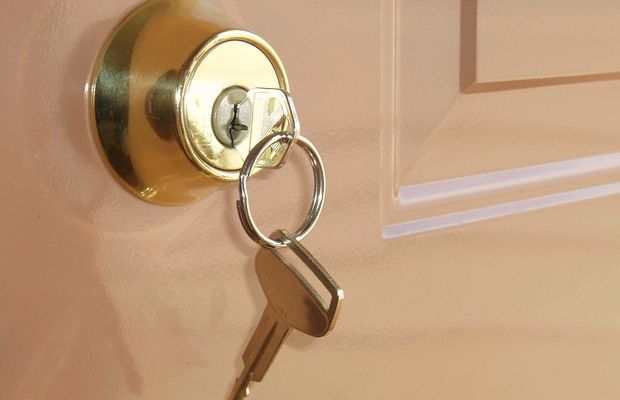
Picking a lock you own teaches more about home security than any brochure. Picking one you do not own is a crime, crisis or not.

Practical self-reliance
Fed, warm, lit and safe when the usual services stop
Awareness
Picking a lock you own teaches more about home security than any brochure. Picking one you do not own is a crime, crisis or not.
Awareness
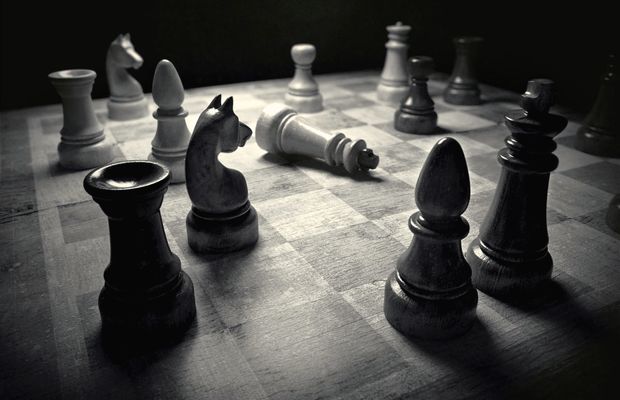
Food, water and shelter can all be put in a closet. The ability to think clearly when things go wrong has to be practiced, and games are one of the easiest ways to practice it.
Food storage
Most emergencies are ridden out at home, on whatever is already in the pantry. These are the details that decide how long that pantry stays good.
At home when the grid is down
One man's year sleeping in his car in Los Angeles, and what it taught him about food, parking, hygiene and staying unnoticed.
At home when the grid is down
A cold frame is a miniature greenhouse set over a bed or a few plants. This one is built from unglued PVC, so it comes apart for storage and can be rebuilt in a different size next season.
Outdoors
A heavy trash bag is already one of the most useful things in a kit: rain poncho, ground sheet, water bag. Cut into strips and twisted, it also becomes cordage.
Preparing on a household budget without making the household weaker.
An emergency fund is only as useful as the hour it can be reached. Cash, a card, an instant transfer and savings at another bank each arrive on a different clock, and in Poland ordinary transfers between banks wait for Elixir’s working-day sessions, a delay Avinto warns its own applicants about.
Ask a room of preparedness-minded people how many ways they can start a fire, purify water or cook without the grid, and most will have two or three answers ready. Ask how many ways they have to pay the mortgage if their job ended on Friday, and the room tends to go quiet.
Noticing trouble early, keeping a clear head, staying in touch.
Most people who prepare for emergencies agree that staying in touch matters. Far fewer have a plan that goes beyond a pair of walkie-talkies and the hope that the cell phone will work. If that describes your household, this page is an argument for changing it.
Ask people what they would carry for personal protection and a flashlight rarely comes up. It should come up first. Personal safety is mostly about noticing trouble in time to avoid it, and in the dark that is impossible without light.
A pantry that keeps, and ways to make stored staples worth eating.
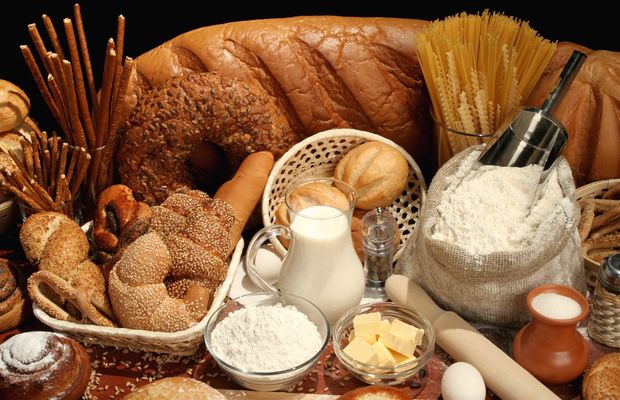
Whole wheat berries are one of the cheapest and longest-keeping foods a household can put away. Kept cool and dry in sealed containers they last 30 years or more, and fresh bread from home-ground flour is one of the real comforts of a long emergency.
Powdered milk stores for years, but most households that buy it in bulk never learn to do much with it besides stir it into water. Cooking with it regularly is the real test of a food supply: a stockpile that gets eaten and replaced stays fresh, and the people eating it already know what to make when it matters.
Heat, light, water and sanitation when the utilities stop.
Most households never think about the washing machine until it stops. In an outage that lasts a week or more, dirty clothes pile up fast, and wearing the same socks for days is how blisters and skin infections start. A hand-powered backup costs very little and packs into a single bucket stack.
When the tap stops or a boil-water notice runs for weeks, a pitcher filter on the kitchen counter is the wrong tool. Those cartridges improve the taste of water that is already treated. They are not made to take pond water and make it drinkable.
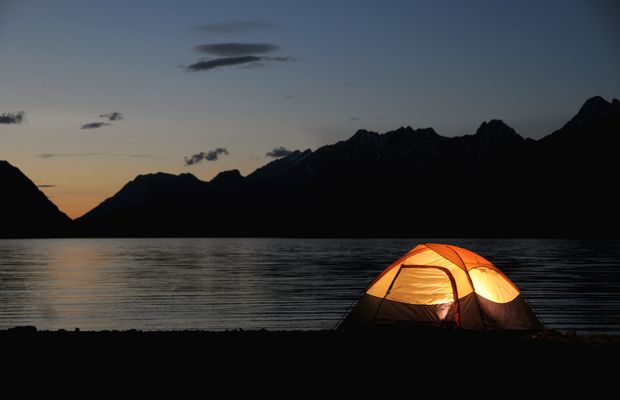
Kit, shelter, water and cordage for a night nobody planned.
Kydex is an acrylic and PVC thermoplastic sold in thin sheets. Heated, it goes soft and floppy like leather; pressed around an object and left to cool, it keeps that shape exactly. That makes it the standard material for knife sheaths, flashlight and multitool carriers, and holsters of every kind.
In 2011 the preparedness world ran largely on independent blogs. Forums were busy and video was growing, but the writing that got quoted, linked and argued over came from a small group of sites run by individuals, often from their kitchens.
Plants from lawns, ditches and woods, and the ones to leave alone.
Eating the wrong wild plant can kill you. Positively identify every plant before you eat it, using a good regional field guide or an experienced forager. Many people know field garlic (Allium vineale), also called crow garlic, by smell before they know it by sight: it is the sharp onion scent that rises when a lawn is mowed in early spring.
Warning: some wild plants can kill. Milkweed has toxic look-alikes, and milkweed itself contains compounds that are harmful raw. Eat nothing that has not been positively identified by someone who knows the plant or checked against a reliable regional field guide, and cook every part described here.