Eleven food storage tips that are easy to overlook
Most emergencies are ridden out at home, on whatever is already in the pantry. These are the details that decide how long that pantry stays good.
Section
A pantry that keeps, and ways to make stored staples worth eating.
Other sections Wild ediblesAt home when the grid is downOutdoorsAwarenessMoney and preparedness
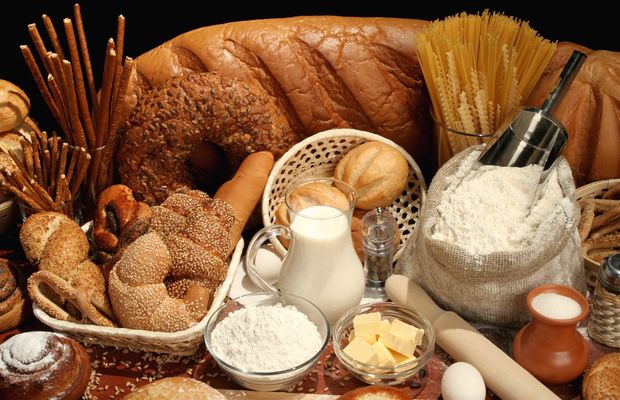
These pages deal with keeping food through a long interruption and turning stored staples into meals people will actually eat. The practical base is a list of pantry habits that tend to get overlooked: keep the temperature steady rather than merely cool, move dry goods into food-grade containers, guard stored seed against damp, watch shelf life once a package has been opened, and keep mice out.
Powdered milk gets two pages, one on bringing nonfat powder closer to whole milk and one on making a simple fresh cheese from it. Another covers raising bread once the stored yeast packets have gone flat. Three are traditional keeping foods: pemmican, made from dried meat and rendered fat; pinole, a toasted corn flour with a long history in Mexico and the American Southwest; and powdered eggs.
Where a method printed in 2010 and today’s guidance from the USDA or the National Center for Home Food Preservation disagree, the page says so and follows the guidance.
Most emergencies are ridden out at home, on whatever is already in the pantry. These are the details that decide how long that pantry stays good.
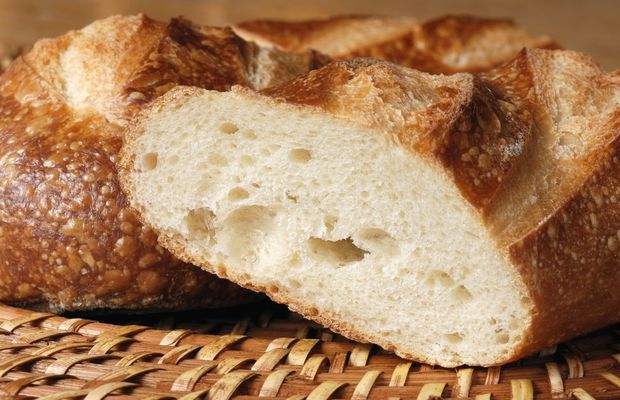
A household can store wheat for thirty years and still end up baking bricks, because the packet of yeast in the cupboard gave out long before the grain did.
Long before freeze-dried rations, the peoples of the northern plains carried a food that was light, dense and slow to spoil. Its recipe has two ingredients and one optional one.
Fresh cheese is one of the first things to disappear when the stores close. A can of powdered milk and a bottle of vinegar bring it back.
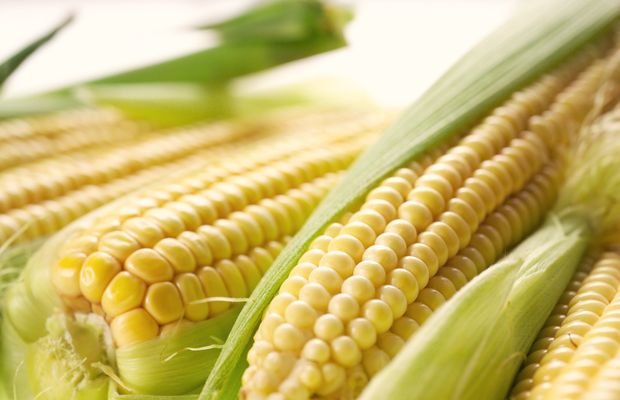
Parched and ground corn has fed travelers across the Americas for centuries. It weighs little, needs no cooking in the field and fills you up out of proportion to its size.
Egg powder keeps where fresh eggs cannot. The two home methods differ in texture, and the popular one carries a salmonella risk.
Nonfat powdered milk keeps for years precisely because the fat has been taken out. Putting some back makes it taste like milk again.