A survivor's guide to lockpicking: the hobby, the history and the law
Picking a lock you own teaches more about home security than any brochure. Picking one you do not own is a crime, crisis or not.
Section
Noticing trouble early, keeping a clear head, staying in touch.
Other sections Wild ediblesFood storageAt home when the grid is downOutdoorsMoney and preparedness

These pages concern attention, judgment and staying in contact with other people. The oldest sets out the color code of awareness, a scale running from switched-off white through yellow, orange and red that is widely taught as a way to describe how alert someone is at a given moment. A companion page collects exercises for staying steady under stress, among them Kim’s game, a memory drill for noticing detail, and emergencies talked through in advance.
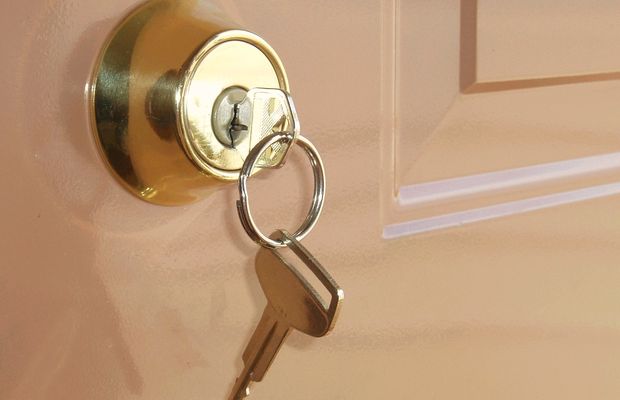
A page on carrying a small bright flashlight treats it first as a light, a way to see trouble early and move away from it. Another looks at locksport as a hobby, its history and the laws around it, and why some people learn how the locks on their own doors work. One makes the case for an amateur radio license as a way to reach others when phone networks fail.
The longest condenses a forum question-and-answer session with a man who lived through the war in Bosnia in the early 1990s and described how people there found fuel, food and safety.
Picking a lock you own teaches more about home security than any brochure. Picking one you do not own is a crime, crisis or not.
Food, water and shelter can all be put in a closet. The ability to think clearly when things go wrong has to be practiced, and games are one of the easiest ways to practice it.
Phones are the first thing to fail when everyone needs them at once. Amateur radio needs no network at all, but it does need a license and some practice.
In a long online question-and-answer thread, a man who lived through the siege of a Bosnian city in the 1990s described what a real breakdown of ordinary life looked like. This is a report of what he said.
Most dangerous moments happen in poor light. A small, bright light lets you see them early, be seen, and leave.
A simple scale for your own attention, borrowed from military and police training, that helps you notice trouble while there is still time to walk away from it.
Most assaults are announced a few seconds in advance by the body of the person about to commit one. Reading those signals buys the time to leave.