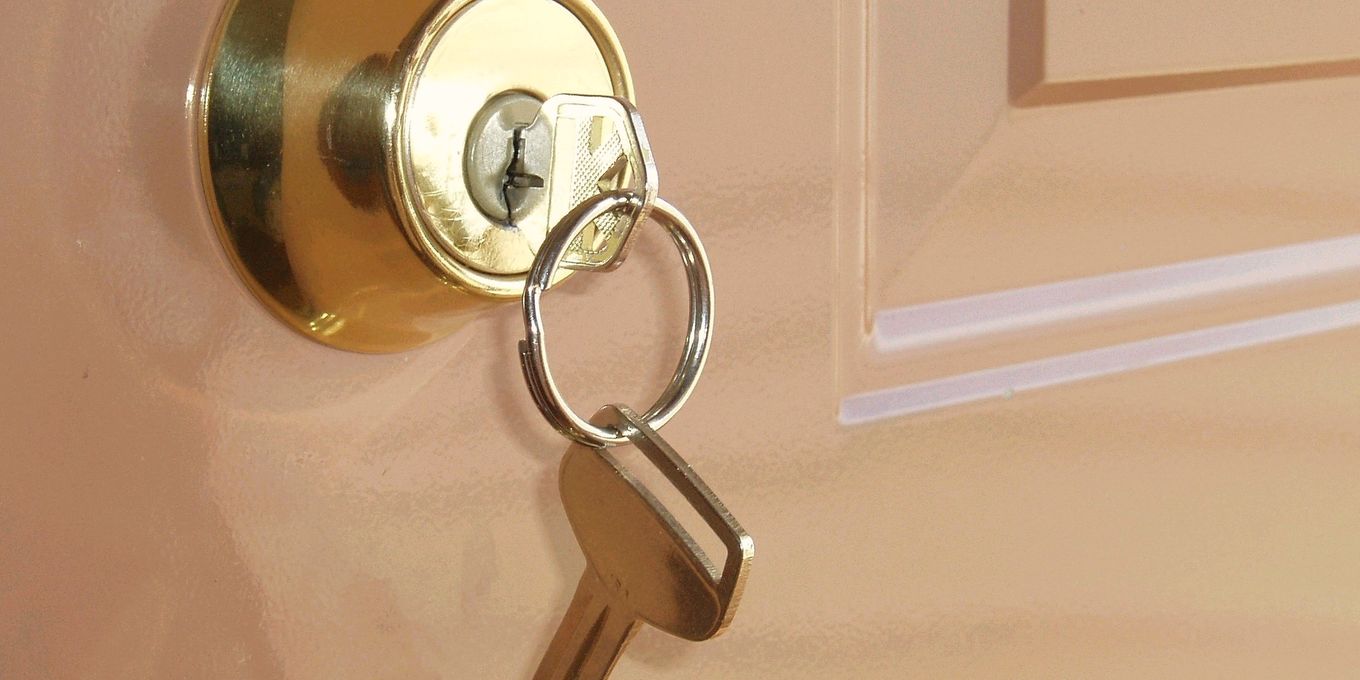
Lockpicking turns up on many preparedness skill lists, usually with the argument that locks will stand between people and supplies in a crisis. One 2016 article on the subject pictured it as a way into a stranger’s food truck. That is burglary, and nothing here teaches it. There are better reasons to learn, and they all start with your own locks.
Locksport
Picking locks as a puzzle and a hobby is called locksport. Clubs meet in many cities, and the best known, TOOOL (The Open Organisation Of Lockpickers), began in the Netherlands and now has chapters in the United States. Security conferences run lockpicking villages where newcomers practice on clear acrylic training locks and hobbyists compare notes on difficult mechanisms.
The community runs on two rules that are close to universal:
- Pick only locks you own, or locks whose owner has given you explicit permission.
- Never pick a lock that is in use, meaning one that secures a door, gate or container someone depends on. A practice session can damage a lock or leave it unreliable.
Most hobbyists keep a board of locks bought for the purpose and a drawer of spares, and never touch a lock in service.
A short history
Picking is as old as locks, but the modern hobby traces back to a public demonstration. At London’s Great Exhibition in 1851, the American locksmith Alfred Charles Hobbs opened a Chubb detector lock, then considered the most secure in England, in about 25 minutes. He then took on the famous Bramah challenge lock, which had sat in a shop window for decades with a 200-guinea prize for anyone who could open it. It took him around 51 hours spread over 16 days, and after some dispute he was paid. The episode embarrassed English lockmakers and pushed the whole trade toward better designs. The same cycle continues today: hobbyists find weaknesses, publish them, and manufacturers improve.
Is it legal?
In the United States, owning lock picks is legal in every state, and practicing on your own locks is legal everywhere. What varies is how possession is treated when a prosecutor suspects intent. A handful of states, Mississippi, Nevada, Ohio and Virginia among them, allow possession of picks in certain circumstances to be taken as evidence of intent to commit a crime, and several others list them among burglary tools. Using picks on property that is not yours is illegal everywhere. Laws differ abroad, so check before traveling with a set. If you are ever questioned, a set kept at home with your practice locks is very different from a set carried at night near someone else’s property.
Why a prepared household learns it
Understanding your locks. Learning how a pin-tumbler lock works, and how easily a cheap one yields, changes how you shop. Door hardware in the U.S. is graded under the ANSI/BHMA standards, with Grade 1 the toughest. Locks with security pins, sidebars or disc detainers resist manipulation far better than builder-grade hardware, and knowing why makes it easier to spend money where it counts.
Getting back into your own things. Padlocked sheds, old filing cabinets, toolboxes and inherited trunks with lost keys are the everyday reason people start. In a long emergency, when locksmiths are busy or unreachable, that skill means not having to cut or drill your own property.
Knowing where the real weaknesses are. Most break-ins do not involve picking at all. They come through unlocked doors, weak strike plates, glass and kicked-in frames. A household that learns locks usually ends up fixing those first: longer screws in the strike plate, a solid door, a lock on the garage entry.
When a lock you rely on is jammed or a key is lost, calling a licensed locksmith is still the right move. Learning the craft on a practice lock at the kitchen table is how you understand what they do.