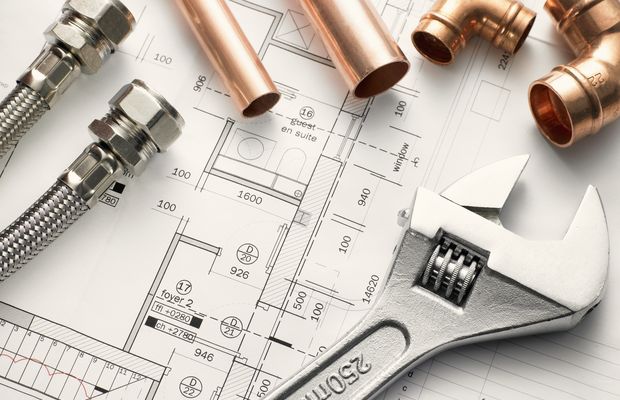
Keeping pipes from freezing when the heat goes off
When the heat goes off in a hard freeze, the plumbing is the part of the house that cannot wait, and much of the damage shows only when the ice melts.
Section
Heat, light, water and sanitation when the utilities stop.
Other sections Wild ediblesFood storageOutdoorsAwarenessMoney and preparedness
These pages are about keeping a household going when power, gas or water service stops for days or longer. Heat and light take up several of them: a heater built from a candle and clay pots, oil lamps made from things already in the house, logs rolled from old newspaper, a rocket stove for cooking outside, and a small can stove kept in the car for a winter breakdown.
Water has two pages. One builds a filter from a pair of food-grade buckets; the other covers disinfecting water with plain household bleach or pool-shock granules at the doses the CDC and EPA give. Sanitation has two long ones, on human waste once the toilets cannot be flushed and on trash when collection stops, and another shows how to wash clothes by hand. Cold frames made from PVC pipe stretch the growing season, and a guest account describes a year spent living out of a car in Los Angeles.
Anything that burns indoors or in a vehicle can give off carbon monoxide and start a fire. Those pages carry the warnings, and a battery-powered CO alarm belongs in any room where a flame is lit.
When the heat goes off in a hard freeze, the plumbing is the part of the house that cannot wait, and much of the damage shows only when the ice melts.
A car stuck in snow already carries the best heater it will get. The kit's job is to keep everyone warm between engine runs without lighting anything inside.
One man's year sleeping in his car in Los Angeles, and what it taught him about food, parking, hygiene and staying unnoticed.
A cold frame is a miniature greenhouse set over a bed or a few plants. This one is built from unglued PVC, so it comes apart for storage and can be rebuilt in a different size next season.
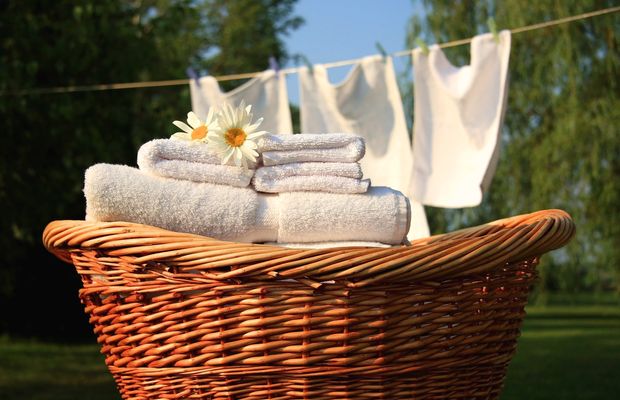
A washing machine is one of the first appliances a long outage takes away. Two buckets and a plunger will do the job, slowly.
Two buckets, a drill and a ceramic element make a gravity filter for a fraction of the price of a boxed system. Filtering is only half the job.
A missed pickup is a nuisance. A month without one draws flies and rats. Five steps keep a household's trash from becoming a health problem.
A building without water can become unlivable in days. What the Auckland outage of 1998 showed, and how to keep a household sanitary in town or country.
Liquid bleach loses strength on the shelf. Dry calcium hypochlorite keeps far longer, and a spoonful makes enough solution to treat a great deal of water.
Nested clay pots over a candle make a small radiant warmer for a desk. They do not make a room heater, and they are never safe unattended.
A stack of old papers, a bucket of water and a dowel will turn waste into fuel that burns much like a split log.
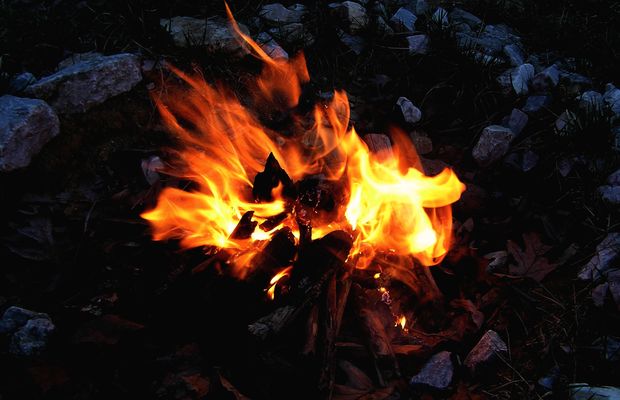
An insulated L-shaped chimney turns a fistful of twigs into a hot, nearly smokeless cooking fire. Here is why it works and how to use one safely.
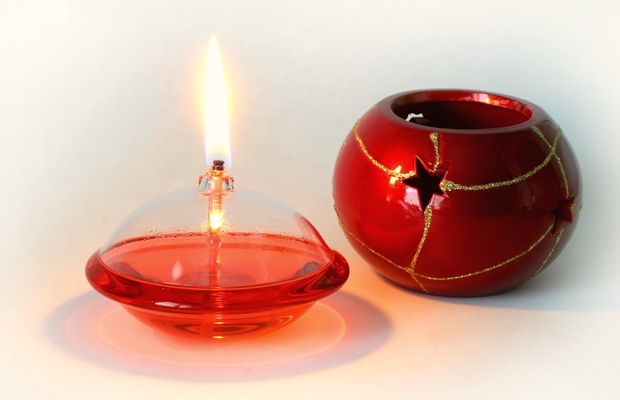
Flashlights come first in an outage. When the batteries run low, a can of cooking oil and a strip of old T-shirt will still give light.
Two paint cans, a roll of toilet paper and rubbing alcohol make a steady little stove. It belongs outside the car; here is how to stay warm inside it.