How to make rope from a trash bag
A heavy trash bag is already one of the most useful things in a kit: rain poncho, ground sheet, water bag. Cut into strips and twisted, it also becomes cordage.
Section
Kit, shelter, water and cordage for a night nobody planned.
Other sections Wild ediblesFood storageAt home when the grid is downAwarenessMoney and preparedness
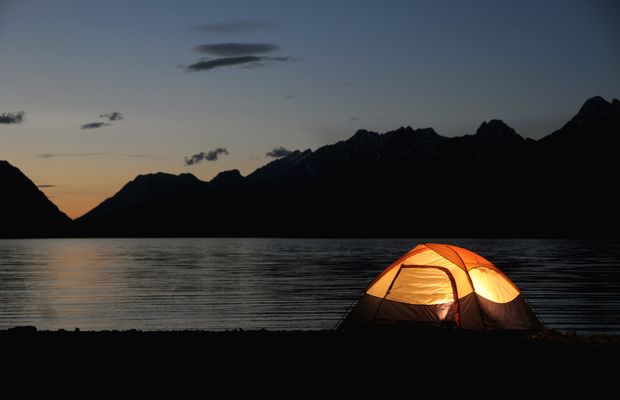
Gear and skills for time spent away from roads and buildings, whether it was planned or not. The longest page builds a survival kit in tiers, from what stays in a pocket to what waits in the car. Others deal with choosing a fixed-blade knife, weaving a paracord bracelet and the wider rescue belt made on the same principle, and twisting usable rope from a plastic trash bag.
For shelter and water there is a debris hut built from branches and leaf litter, a method for gathering dew at first light with a cloth, and a close look at the modular sleeping bag system issued to American troops. A craft page shapes Kydex sheet with heat into a knife sheath.
Two pages point to other sources: Hesperian’s handbooks Where There Is No Doctor and Where There Is No Dentist, and a 2011 ranking of survival blogs, kept as a record of that year. A list of skills worth practicing well before the day they are needed completes the section.
A heavy trash bag is already one of the most useful things in a kit: rain poncho, ground sheet, water bag. Cut into strips and twisted, it also becomes cordage.
A body-sized frame, a ridge pole and an enormous pile of leaves. Built well, it keeps a person warm with no fire and no bedding.
Kydex softens in an oven and sets hard around whatever it is pressed against. With a foam press and a few eyelets, a snug holster takes an afternoon.
A snapshot of the preparedness web in September 2011, when a handful of independent blogs set the agenda for the whole community.
A cotton cloth, a grassy field before sunrise and a container are enough to gather a surprising amount of water. Treat it before you drink it.
A paracord bracelet carries a few feet of cord. A belt tied in Philip Slattery's crochet stitch carries a hundred, and pulls apart as fast as it is needed.
Supplies run out. What a household knows how to do does not, and most of it takes longer to learn than people expect.
Four or five pieces that snap together cover everything from a mild autumn night to deep winter. Heavy and bulky, but tough and cheap on the surplus market.
A shelf of medical references is out of reach for most households. Two of the most respected ones cost nothing to download.
A good knife does more work in the woods than any other single tool. The features that matter are few, and most of them can be checked in a shop.
Cord is easy to forget and hard to improvise. Wearing it on your wrist solves the first problem.
No single bag suits every situation. Splitting a kit into what you wear, what you keep close and what waits at home means something useful is always within reach.